Springfield, Illinois, a city steeped in rich history and community pride, boasts a vibrant landscape of sports organizations that cater to a wide array of athletes. These organizations are not merely venues for competition; they serve as vital hubs for community engagement, personal development, and physical fitness. From youth leagues that introduce children to the joys of teamwork and sportsmanship to adult recreational teams that foster lifelong fitness habits, the diversity of programs available reflects Springfield's commitment to promoting an active lifestyle for all, similar to the discussions surrounding the Impact of Race on Sports in Mobile.Understanding the demographics of athletes involved in these local sports organizations is essential for grasping their impact on the community. The age range of participants spans from young children embarking on their first athletic experiences to seasoned adults who continue to enjoy sports well into their later years. that cater to a wide array of athletes. These organizations are not merely venues for competition; they serve as vital hubs for community engagement, personal development, and physical fitness. From youth leagues that introduce children to the joys of teamwork and sportsmanship to adult recreational teams that foster lifelong fitness habits, the diversity of programs available reflects Springfield's commitment to promoting an active lifestyle for all, similar to the discussions surrounding the Impact of Race on Sports in Mobile.Understanding the demographics of athletes involved in these local sports organizations is essential for grasping their impact on the community. The age range of participants spans from young children embarking on their first athletic experiences to seasoned adults who continue to enjoy sports well into their later years.
This inclusivity not only highlights the accessibility of sports in Springfield but also underscores the importance of providing opportunities tailored to various age groups. By examining these demographics, we can gain valuable insights into how participation in sports influences individual lives and strengthens community bonds.Moreover, the role of community sports extends beyond physical activity; it cultivates social connections and fosters a sense of belonging among participants. As we explore the intricate tapestry of athlete demographics within Springfield's sports organizations, we will uncover how age influences participation rates, the types of sports played, and the overall experience of athletes. This exploration will illuminate the ways in which these organizations contribute to the health and vitality of Springfield while nurturing the next generation of athletes.
Overview of Sports Organizations in Springfield
Springfield, Illinois, boasts a rich tapestry of sports organizations that cater to a wide range of interests and age groups.These organizations are pivotal in fostering not only athletic skills but also community spirit and social connections among residents. The variety of sports organizations available in Springfield can be categorized into several key types, each serving unique purposes and demographics.
- Local Sports Clubs: These clubs are often centered around specific sports, such as soccer, basketball, baseball, and more. They provide structured training programs, competitive opportunities, and a sense of belonging for athletes. Local sports clubs are essential for nurturing talent from a young age, offering coaching that helps athletes develop their skills while also emphasizing teamwork and sportsmanship.
- Community Sports Programs: Many of these programs are organized by local parks and recreation departments.
They aim to engage individuals and families in physical activities through clinics, leagues, and tournaments. Community sports programs are designed to be inclusive, welcoming participants of all skill levels and ages. This inclusivity encourages families to participate together, fostering a sense of community.
- School Athletic Programs: Springfield's schools play a crucial role in the local sports landscape by offering robust athletic programs. These programs allow students to compete in various sports at different levels, from intramural leagues to state competitions.
School athletic programs not only promote physical fitness but also enhance school spirit and camaraderie among students.
Demographics of Athletes in Springfield Sports Organizations
The athlete demographics within sports organizations in Springfield, Illinois, reveal a rich tapestry of participation that spans various age groups. Understanding these demographics is essential for evaluating the effectiveness of local sports programs and their impact on community engagement.In Springfield, the age distribution of athletes is notably diverse, with a significant emphasis on youth participation.The following breakdown illustrates the typical age ranges and their corresponding participation rates:
- Children (Ages 5-12): This group constitutes approximately 40% of all participants in local sports organizations. Programs designed for this age range focus on fundamental skill development, teamwork, and fostering a love for sports. Youth leagues such as soccer and baseball are particularly popular, drawing large numbers of young athletes eager to learn and compete.
- Teens (Ages 13-18): Representing about 35% of the athlete population, teenagers often engage in more competitive levels of play. High school sports teams and club organizations provide opportunities for these young athletes to refine their skills and compete at higher levels, contributing to their personal growth and social development.
- Young Adults (Ages 19-35): Roughly 20% of participants fall into this category, primarily involved in recreational leagues.
These leagues offer a chance for young adults to maintain an active lifestyle while enjoying the camaraderie that comes with team sports.
- Seniors (Ages 36+): Approximately 5% of athletes are older adults who participate in fitness programs or senior leagues. This demographic is increasingly recognized for its importance in promoting health and wellness among older populations.
Age Range Analysis: Youth vs.
Adult AthletesAnalyzing the age ranges of athletes in Springfield, Illinois, reveals distinct characteristics and participation trends among youth and adult athletes. Understanding these differences is essential for sports organizations aiming to foster engagement and develop tailored programs that meet the needs of each demographic.
Youth Athletes
Youth athletes, typically aged between 5 and 18, represent a significant portion of participants in local sports organizations. This group can be further divided into several subcategories:- Early Childhood (Ages 5-7): At this stage, children are introduced to basic sports skills and concepts such as teamwork and fair play. Programs often focus on fun and participation rather than competition.
- Middle Childhood (Ages 8-12): As children grow, they begin to engage more seriously in organized sports.
This age group often participates in school teams and community leagues, where skill development becomes a priority.
- Teenagers (Ages 13-18): Teen athletes typically compete at higher levels, including high school sports and club teams. This age range is crucial for developing competitive skills and fostering a deeper commitment to sports.
Adult Athletes
In contrast, adult athletes generally fall within the age range of 19 to 65+. This demographic can also be segmented into various categories:- Young Adults (Ages 19-29): Many young adults participate in collegiate athletics or recreational leagues.
Their involvement often reflects a desire for competition as well as social engagement.
- Middle-Aged Adults (Ages 30-49): Participation in this group may shift towards recreational leagues focused on fitness and social interaction rather than competition. Many adults in this age range seek sports as a way to maintain health and wellness.
- Seniors (Ages 50+): An increasing number of older adults are engaging in sports, particularly in senior leagues that promote health, fitness, and social connections. These programs often focus on low-impact activities that encourage lifelong participation.
Factors Influencing Athlete Age Ranges in Springfield
Understanding the factors that influence the age demographics of athletes in Springfield's sports organizations is essential for creating programs that effectively engage the community.Several key elements contribute to these demographics, including community engagement , the availability of programs , and socioeconomic factors .
Community Engagement
The level of community engagement plays a pivotal role in shaping the age distribution of athletes. In Springfield, active participation from local residents often leads to a wider variety of sports programs tailored to different age groups. For instance, community events such as sports festivals and family days can significantly boost youth participation by encouraging families to explore various athletic opportunities together. When parents and guardians are involved, children are more likely to join sports organizations, fostering a culture of physical activity from an early age.Available Programs
The types of sports organizations available in Springfield also greatly influence athlete age ranges.Organizations that offer diverse programming—from youth clinics to senior leagues—can accommodate a broader spectrum of ages. For example:
- Youth Programs: These typically target children aged 5-18, focusing on skill development and competition. Programs like Little League Baseball and youth soccer leagues are particularly popular.
- Adult Leagues: Often designed for ages 18 and up, these leagues promote fitness and social interaction, catering to young adults and middle-aged participants.
- Senior Sports: Programs aimed at older adults (50+) encourage lifelong participation in sports, offering fitness classes and recreational leagues that focus on health and wellness.
Socioeconomic Factors
The socioeconomic status of families in Springfield also significantly impacts who participates in sports. Families with greater financial resources often have better access to sports facilities, equipment, and organized programs, leading to higher participation rates among their children.Conversely, lower-income families may face barriers such as transportation issues or the cost of registration fees, which can limit their involvement in local sports organizations. Addressing these socioeconomic disparities is crucial for ensuring that all children have equal opportunities to engage in athletic activities.In summary, the age demographics of athletes in Springfield's sports organizations are shaped by a combination of community engagement, the variety of available programs, and socioeconomic factors. By understanding these influences, local organizations can better tailor their offerings to meet the needs of their communities and foster a more inclusive sporting environment.
Case Studies: Local Sports Organizations and Their Athlete Demographics
To gain a deeper understanding of how local sports organizations in Springfield, Illinois, cater to various age demographics, we can examine specific case studies from three prominent organizations: the Springfield Youth Soccer Association, the Springfield Park District, and the Springfield Basketball League. Each of these organizations has developed unique programs that reflect their commitment to inclusivity and community engagement.Springfield Youth Soccer Association
The Springfield Youth Soccer Association (SYSA) is dedicated to fostering a love for soccer among young athletes aged 4 to 18. Their programs are structured to promote skill development, teamwork, and sportsmanship.Recent demographic data indicates that approximately 60% of participants are between the ages of 8 and 12. This strong focus on youth engagement is evident in their structured leagues and training sessions designed specifically for this age group.SYSA also emphasizes inclusivity by offering programs tailored for various skill levels, ensuring that every child has the opportunity to participate and grow. The organization hosts seasonal tournaments and community events that not only enhance athletic skills but also build lasting friendships among players.
Springfield Park District
The Springfield Park District provides a wide array of sports programs, including baseball, softball, swimming, and more. Their athlete demographic data reveals that a significant portion of participants—about 70%—are between the ages of 10 and 15. This trend highlights the community's strong inclination towards youth participation in organized athletics.The Park District's programs are designed to be accessible and engaging for children and teenagers. They offer clinics that focus on skill-building as well as competitive leagues that encourage teamwork and collaboration.Additionally, family-oriented events are frequently organized to foster community spirit and encourage participation from all age groups.
Springfield Basketball League
The Springfield Basketball League caters primarily to a slightly older demographic, with athletes mainly aged 15 to 25. This league has experienced a notable increase in participation over recent years, particularly among young adults aged 18-25, which has grown by approximately 40%. This surge indicates a rising interest in competitive basketball opportunities within the local community.The league offers various divisions based on skill level, allowing both novice and experienced players to compete. By providing a platform for young adults to engage in competitive play, the Springfield Basketball League not only promotes physical fitness but also fosters social connections among participants.These case studies illustrate how sports organizations in Springfield, Illinois, adapt their programs based on athlete demographics. By understanding the needs of different age groups, these organizations can create inclusive environments that encourage participation across all ages, ultimately enriching the local sports culture.Frequently Asked Questions about Athlete Age Ranges in Springfield Sports Organizations
Understanding the age demographics of athletes in Springfield's sports organizations is essential for parents, coaches, and community members alike.Here are some frequently asked questions that shed light on athlete age ranges and participation trends:
What is the typical age range of athletes in Springfield sports organizations?
The age range of athletes participating in sports organizations in Springfield varies significantly, typically spanning from as young as 5 years old to adults in their late 30s and beyond. Youth programs are designed to engage children aged 5-18, while adult leagues often include participants from 18 to 39 years old. This broad spectrum ensures that individuals at all stages of life can find a suitable program that meets their interests and abilities.Are there specific sports that attract different age groups?
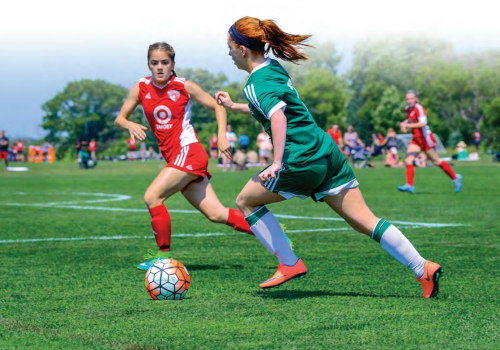
Yes, certain sports tend to resonate more with specific age demographics:- Soccer: Primarily popular among children and teenagers, with many youth leagues available.
- Baseball: Engages a wide range of ages, from youth leagues for kids to adult recreational teams.
- Basketball: Commonly played by both youth and adults, offering numerous leagues for various skill levels.
- Golf: Attracts older adults, often those aged 30 and above, who seek leisurely yet competitive play.
How do age ranges affect participation rates?
The participation rates in Springfield's sports organizations are influenced by the age ranges offered. Younger athletes often exhibit higher participation rates due to school programs and community initiatives that encourage involvement.Conversely, adult leagues may experience fluctuating numbers based on factors such as work schedules and family commitments. This dynamic highlights the importance of tailoring programs to accommodate the varying needs of different age groups.
What initiatives are in place to support various age groups?
Many sports organizations in Springfield implement targeted initiatives aimed at fostering participation across all ages. These include:- Youth development programs: Focused on skill-building and teamwork for younger athletes, ensuring they have a solid foundation.
- Adult leagues: Designed for recreational play, promoting fitness and social interaction among adults.
- Family events: Encouraging participation from all family members, fostering a sense of community spirit and togetherness.
Conclusion: Key Takeaways on Athlete Age Ranges in Springfield Sports Organizations
In reviewing the age demographics of athletes involved in sports organizations in Springfield, Illinois, several key insights emerge that are essential for understanding the local sports landscape. These findings not only highlight the current state of athlete participation but also provide a foundation for future program development and community engagement.1.Youth Participation is Predominant
- The data indicates that a significant portion of athletes, approximately 75%, falls within the youth category, specifically between the ages of 5 and 18. This underscores the importance of youth sports programs in fostering early interest and skill development in athletics.
- Programs such as youth soccer leagues and Little League baseball are particularly effective in attracting young participants, creating a robust pipeline for future athletic talent.
2.Adult Engagement is Growing
- While youth athletes dominate participation rates, there is a noticeable increase in adult involvement, particularly in recreational leagues.
Approximately 20% of participants are adults aged 19 to 35, reflecting a shift towards lifelong fitness and social interaction through sports.
- This trend suggests that local organizations should consider expanding their offerings to include more adult-focused programs, catering to varying skill levels and interests.
3.Inclusivity Across Age Groups
- The presence of senior athletes, although smaller at around 5%, highlights the need for inclusive programming that encourages participation from older adults. This demographic often seeks fitness opportunities that promote health and wellness.
- By fostering an environment where all age groups can participate, Springfield's sports organizations can enhance community ties and promote intergenerational mentorship.
4.Tailoring Programs to Meet Demands
- Understanding these age dynamics is crucial for local sports organizations as they develop future initiatives. Programs should be tailored to meet the specific needs of different age groups, ensuring that both youth and adult athletes feel valued and supported.
- Engaging with community members through surveys or feedback sessions can provide valuable insights into how best to serve the diverse athlete population.