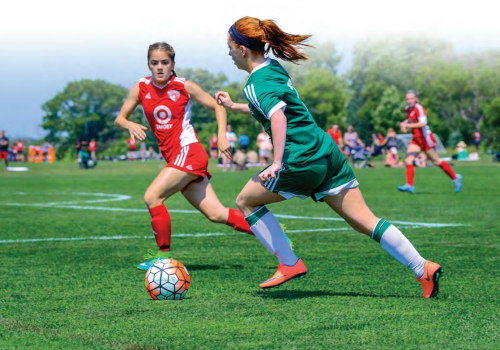
In the heart of Springfield, Illinois, sports organizations serve as vital pillars of the community, fostering not only athletic talent but also promoting a culture of health and well-being among residents. These organizations encompass a wide range of activities, from youth leagues to adult recreational teams, and even professional sports franchises. They provide essential opportunities for individuals to engage in physical activity, develop teamwork skills, and build lasting friendships. However, the significance of these organizations extends beyond mere competition; they play a crucial role in ensuring the safety and health of their athletes through effective injury management and medical care .As athletes participate in various sports, the risk of injury is an ever-present concern.
Understanding how sports organizations in Springfield address this issue is paramount for both athletes and their families. These organizations implement comprehensive strategies to manage injuries effectively, ensuring that athletes receive prompt medical attention when needed. This proactive approach not only aids in recovery but also emphasizes the importance of injury prevention, allowing athletes to perform at their best while minimizing risks. The collaboration between sports organizations and local healthcare providers further enhances the quality of care available to athletes. By establishing partnerships with medical professionals, these organizations ensure that athletes have access to timely assessments and tailored treatment plans.
This synergy not only facilitates quicker recoveries but also fosters a culture of safety and awareness within the sporting community. As we delve deeper into the intricacies of injury management and medical care within Springfield's sports organizations, it becomes clear that their commitment to athlete health is as strong as their dedication to fostering athletic excellence.
Overview of Sports Organizations in Springfield, Illinois
Springfield, Illinois, boasts a rich tapestry of sports organizations that cater to a wide range of athletic interests and age groups. These organizations not only provide opportunities for competition but also play a vital role in community engagement and the promotion of healthy lifestyles.Types of Sports Organizations
- Amateur Sports Leagues: Springfield is home to numerous amateur sports leagues that offer recreational and competitive opportunities for both youth and adults. These leagues cover a variety of sports, including soccer, basketball, baseball, and volleyball.
They focus on skill development, teamwork, and fostering a love for the game.
- Professional Teams: The city also features professional sports teams, such as minor league baseball and hockey franchises. These teams not only provide entertainment but also contribute significantly to the local economy through job creation and tourism.
- Community Sports Programs: Many organizations prioritize inclusivity by offering community sports programs aimed at underrepresented groups. These initiatives often include free clinics, workshops, and events designed to encourage participation from all segments of the population.
Local Teams
The local teams in Springfield serve as a source of pride for residents. They engage fans through various events, fostering a sense of belonging and community spirit.
Teams often collaborate with schools and community centers to promote youth engagement in sports, ensuring that young athletes have access to quality coaching and competitive opportunities.In summary, the landscape of sports organizations in Springfield, Illinois, is diverse and vibrant. From amateur leagues that nurture budding talent to professional teams that entertain and inspire, these organizations are integral to the community's commitment to promoting athleticism and teamwork while enhancing the quality of life for its residents.
Common Types of Injuries Among Athletes
In the realm of sports organizations in Springfield, Illinois, athletes frequently encounter a variety of injuries that can impact their performance and overall health. Understanding these common injuries is essential for both athletes and coaches, as it allows for the implementation of effective injury prevention strategies that can minimize risks.Among the most prevalent injuries faced by athletes are:- Sprains and Strains: These injuries occur when ligaments (sprains) or muscles and tendons (strains) are stretched or torn. They are particularly common in sports that involve sudden changes in direction, such as basketball and soccer.
Athletes often experience pain, swelling, and limited mobility as a result.
- Fractures: Broken bones can happen in contact sports like football or during falls in activities such as gymnastics. Fractures can range from minor hairline cracks to complete breaks, necessitating immediate medical attention and often a lengthy recovery period.
- Concussions: These traumatic brain injuries are especially prevalent in contact sports like football and hockey. A concussion occurs when the brain is jolted inside the skull, leading to symptoms such as headaches, confusion, and balance issues. Immediate assessment and management are crucial to prevent long-term effects.
- Tendinitis: Overuse injuries like tendinitis arise from repetitive motions, commonly seen in runners, swimmers, and tennis players.
This condition involves inflammation of the tendons, resulting in pain and discomfort that can hinder athletic performance.
- Proper Training Regimens: Athletes are encouraged to engage in training programs that focus on strength building, flexibility, and proper techniques to reduce the likelihood of injuries.
- Use of Protective Gear: Wearing appropriate protective equipment such as helmets, pads, and braces is vital for minimizing injury risks during practice and competition.
- Regular Health Assessments: Conducting routine health checks allows organizations to identify potential issues early on, ensuring athletes receive timely interventions before injuries escalate.
Injury Management Protocols in Springfield Sports Organizations
In the realm of sports organizations in Springfield, Illinois, effective injury management protocols are essential for safeguarding the health and well-being of athletes. These protocols are meticulously designed to ensure that injuries are addressed promptly and effectively, allowing athletes to recover safely and return to their sport as soon as possible.Immediate Response Procedures
- On-Site Assessment: When an injury occurs during practice or competition, the first step is a thorough assessment by trained personnel, typically certified athletic trainers. These professionals are equipped to evaluate the injury's severity and determine the appropriate course of action.
- First Aid Administration: Basic first aid measures are implemented immediately.
This may include applying ice to reduce swelling, using compression bandages, or stabilizing the injured area to prevent further damage.
- Emergency Protocols: In cases where injuries are severe—such as suspected fractures or concussions—emergency medical services are contacted without delay. This ensures that athletes receive the necessary medical attention as quickly as possible.
- Communication: Coaches and team managers are promptly informed about the situation, allowing them to notify parents or guardians and keep them updated on their child's condition.
Documentation of Injuries
Following the immediate response, a detailed injury report is generated. This report includes critical information such as the nature of the injury, how it occurred, and the actions taken by medical personnel. This documentation is vital for tracking injury trends within the organization and ensuring compliance with safety regulations.
Follow-Up Care
After an athlete has received initial treatment for an injury, sports organizations in Springfield place significant emphasis on follow-up care.
This phase is crucial for ensuring a complete recovery and preventing re-injury. Key components of follow-up care include:
- Rehabilitation Programs: Athletes are often required to participate in tailored rehabilitation programs designed to restore strength, flexibility, and mobility. These programs may involve physical therapy sessions that focus on specific exercises aimed at recovery.
- Regular Check-Ins: Organizations maintain ongoing communication with healthcare providers to monitor the athlete's progress throughout their recovery journey. Regular check-ins help ensure that athletes receive appropriate care and can safely return to their sport when fully healed.
- Education on Injury Prevention: Follow-up care also includes educating athletes about strategies to prevent future injuries.
This may involve training on proper techniques, strength conditioning, and understanding their body’s signals during physical activity.
Medical Care Facilities Available for Athletes
In Springfield, Illinois, athletes benefit from a robust network of medical care facilities specifically designed to address their unique needs. These facilities encompass specialized sports medicine clinics and comprehensive rehabilitation centers, ensuring that athletes receive the highest quality of care for both injury treatment and recovery.Sports Medicine Clinics
Sports medicine clinics in Springfield are dedicated to the diagnosis, treatment, and prevention of sports-related injuries. These clinics are staffed by a team of experienced professionals, including orthopedic surgeons, physical therapists, and certified athletic trainers.Some notable clinics include:
- Springfield Clinic Sports Medicine: This facility offers a multidisciplinary approach to athlete care, providing access to advanced imaging technologies and tailored rehabilitation services. Their team focuses on both immediate injury management and long-term athlete health.
- Memorial Health System: Known for its specialized care for athletes, this clinic provides thorough injury assessments and develops individualized treatment plans that cater to the specific needs of each athlete.
- Orthopedic Center of Illinois: This center specializes in both surgical and non-surgical treatments for sports injuries. Their goal is to facilitate a quick return to play while ensuring the athlete's overall well-being.
Rehabilitation Centers
In addition to sports medicine clinics, Springfield is home to several rehabilitation centers that play a crucial role in the recovery process for injured athletes. These centers offer personalized rehabilitation programs designed to restore strength, flexibility, and function.Key facilities include:
- Physical Therapy & Rehabilitation Institute: Renowned for its state-of-the-art equipment and experienced staff, this institute specializes in sports rehabilitation, helping athletes regain their pre-injury performance levels.
- Sports Performance Institute: This facility not only focuses on rehabilitation but also enhances athletic performance through specialized training programs tailored for injured athletes.
- ProRehab: Offering comprehensive therapy services, ProRehab tailors its approach to meet the unique needs of each athlete, ensuring a safe and effective recovery process.
Role of Coaches and Trainers in Injury Management
In the dynamic environment of sports organizations in Springfield, Illinois, the roles of coaches and athletic trainers are pivotal in ensuring the health and safety of athletes. These professionals are not only responsible for developing athletic skills but also play a crucial role in injury management and prevention.Coaches' Role in Injury Management
Coaches serve as the first line of defense when it comes to recognizing and addressing injuries. Their responsibilities include:- Monitoring Athletes: Coaches closely observe their athletes during practices and competitions, looking for any signs of distress or potential injuries.
This vigilance is essential for early detection and intervention.
- Implementing Safety Protocols: They enforce safety measures, ensuring that athletes adhere to proper techniques and use appropriate protective gear. This proactive approach helps minimize the risk of injuries.
- Communication: Coaches maintain open lines of communication with their athletes, encouraging them to report any pain or discomfort immediately. This fosters a culture where athletes feel safe discussing their health concerns.
Athletic Trainers' Responsibilities
Athletic trainers are specialized professionals who focus on preventing, diagnosing, and treating sports-related injuries. Their key responsibilities include:- Injury Assessment: Athletic trainers conduct thorough evaluations to determine the severity of an injury.
They are trained to recognize various types of injuries and recommend appropriate treatment plans.
- Rehabilitation Programs: They design tailored rehabilitation programs that help athletes recover safely and effectively. These programs often include exercises aimed at restoring strength, flexibility, and function.
- Emergency Care: In the event of acute injuries, athletic trainers provide immediate care, including first aid and stabilization before further medical assistance is available.
Injury Prevention Coaching
Beyond managing injuries, coaches also play a vital role in injury prevention coaching. This involves educating athletes on:- Proper Techniques: Coaches teach correct movement patterns to reduce the likelihood of injuries during play.
- Strength and Conditioning: Implementing training regimens that enhance physical resilience against injuries is crucial for athlete longevity.
- Nutritional Guidance: Coaches often advise on nutrition that supports overall health and recovery, emphasizing the importance of a balanced diet in an athlete's performance.
Collaboration with Healthcare Professionals
In Springfield, Illinois, the collaboration between sports organizations and healthcare professionals is a cornerstone of effective athlete care.This partnership is essential for ensuring that athletes receive timely medical attention and ongoing support, which is critical for their health and performance.Many sports organizations in Springfield have established formal partnerships with local hospitals and clinics. These collaborations facilitate immediate access to medical services, allowing athletes to receive prompt evaluations and treatments for injuries. Such arrangements are particularly beneficial during competitions or practices when injuries can occur unexpectedly.
Immediate Medical Attention
- Emergency Services: In the event of severe injuries, such as fractures or concussions, these partnerships ensure that emergency medical services are readily available. Athletes can be quickly transported to nearby facilities where they can receive specialized care.
- On-Site Medical Personnel: Some organizations employ or contract with sports medicine professionals who are present during games and practices.
This allows for immediate assessment and treatment of injuries on-site, reducing the time it takes for athletes to receive care.
Ongoing Support and Rehabilitation
The collaboration does not end with immediate care; it extends into rehabilitation and recovery. Healthcare providers work closely with sports organizations to develop tailored rehabilitation programs that address the specific needs of injured athletes. This includes:
- Physical Therapy: Access to physical therapists who specialize in sports injuries helps athletes regain strength and mobility through personalized rehabilitation plans.
- Follow-Up Care: Regular follow-up appointments ensure that athletes are monitored throughout their recovery process, allowing for adjustments to their treatment plans as needed.
Preventive Care Initiatives
In addition to managing injuries, these collaborations often focus on preventive care initiatives. Sports organizations may work with healthcare professionals to implement:
- Health Screenings: Regular health assessments help identify potential issues before they escalate into serious injuries.
- Education Programs: Workshops on injury prevention techniques educate athletes about safe practices, proper training regimens, and the importance of nutrition in maintaining overall health.
By prioritizing collaboration with healthcare professionals, sports organizations ensure that their athletes are well-supported both on and off the field.
Case Studies: Successful Injury Management Stories
In Springfield, Illinois, several sports organizations have set exemplary standards in injury management through innovative protocols and dedicated care. These case studies highlight successful recovery stories that not only emphasize the importance of immediate medical attention but also showcase best practices in athlete care.Springfield Youth Soccer Association
The Springfield Youth Soccer Association (SYSA) has established a robust injury management framework that prioritizes athlete safety. A notable case involved a young player who suffered a significant ankle sprain during a competitive match. The SYSA's response included:- Immediate Assessment: Certified athletic trainers were on-site to evaluate the injury promptly.
- R.
I. C. E. Protocol:
The team implemented the R.method—Rest, Ice, Compression, and Elevation—to manage swelling and pain effectively.
- Referral to Specialists: The athlete was referred to a local sports medicine clinic for further evaluation and rehabilitation.
Springfield High School Athletics
Another compelling example comes from Springfield High School, where the athletic department has forged partnerships with local healthcare providers to create an integrated care model. A standout case involved a football player diagnosed with a concussion. The steps taken included:- Immediate Removal from Play: Following the injury, the athlete was promptly removed from the game to prevent further risk.
- Baseline Testing: Prior to the season, baseline cognitive function tests were conducted to assess any changes post-injury.
- Collaboration with Neurologists: The school worked closely with neurologists to develop tailored recovery plans that ensured safe return-to-play protocols.
Springfield Roller Derby League
The Springfield Roller Derby League has made significant strides in injury management by focusing on preventative measures. After experiencing several injuries in their inaugural season, they implemented:- Workshops on Injury Prevention: Regular workshops were organized to educate skaters on proper techniques and safety measures.
- Buddy System: A buddy system was established for skaters to monitor each other's safety during practice sessions.
- Dedicated Medical Team: Events featured a dedicated medical team available for immediate care and advice.
By prioritizing immediate care, education, and collaboration with healthcare professionals, these organizations set a standard for injury management that can serve as a model for others.
FAQs About Injury Management in Sports Organizations
In the realm of sports organizations in Springfield, Illinois, injury management is a critical aspect that ensures the safety and well-being of athletes. Below are some frequently asked questions that address common concerns regarding injury assessment protocols and the procedures in place for timely medical care.What protocols do sports organizations follow for injury assessment?
Sports organizations in Springfield adhere to established protocols designed to ensure thorough and effective injury assessments. These protocols typically include:- Immediate Evaluation: Upon an injury occurrence, a certified athletic trainer or medical professional conducts an immediate evaluation on-site. This assessment helps determine the severity of the injury and whether further medical attention is required.
- Documentation: Detailed documentation of the injury is crucial.
This includes recording the mechanism of injury, symptoms presented by the athlete, and any immediate actions taken. This information is vital for tracking trends and ensuring compliance with safety regulations.
- Referral Process: If the injury is deemed serious or requires specialized care, athletes are referred to a physician or specialist for further evaluation and treatment. This ensures that athletes receive the best possible care tailored to their specific needs.
How do organizations ensure athletes receive timely medical care?
Timely medical care is essential for effective recovery from sports injuries. Sports organizations in Springfield implement several strategies to ensure that athletes receive prompt medical attention:- Partnerships with Healthcare Providers: Many sports organizations have established partnerships with local hospitals and clinics.
These collaborations facilitate quick access to medical services, allowing athletes to receive immediate evaluations and treatments.
- Emergency Protocols: Organizations have emergency protocols in place that outline steps to take in case of severe injuries. This includes having emergency contacts readily available and ensuring that coaches and trainers are trained in first aid and CPR.
- Regular Health Screenings: To prevent injuries before they occur, many organizations conduct regular health screenings for athletes. These screenings help identify potential issues early on, allowing for proactive measures to be taken.
What are some common questions about injury management?
Athletes, parents, and coaches often have questions regarding injury management practices. Here are a few common inquiries:- What should I do if my child gets injured during practice? It’s important to report the injury immediately to a coach or trainer who can assess the situation and provide appropriate care.
- How can I help prevent injuries? Athletes can reduce their risk of injury by following proper training regimens, using appropriate protective gear, and maintaining open communication with coaches about any pain or discomfort.
- What happens if an athlete needs surgery? If surgery is required, sports organizations typically work closely with healthcare providers to develop a comprehensive rehabilitation plan that supports recovery and safe return to play.
Conclusion: The Importance of Comprehensive Injury Management in Sports Organizations
In summary, the landscape of sports organizations in Springfield, Illinois, is characterized by a strong commitment to athlete health and safety through comprehensive injury management and medical care.The importance of these protocols cannot be overstated, as they not only protect athletes from the immediate consequences of injuries but also contribute to their long-term well-being and performance.Effective injury management begins with the establishment of clear protocols that guide organizations in responding to injuries swiftly and efficiently. This includes having trained personnel, such as certified athletic trainers, who can assess injuries on-site and determine the appropriate course of action. The immediate response to an injury is critical; it can significantly influence recovery times and the overall outcome for the athlete.Moreover, collaboration with local healthcare providers enhances the quality of care available to athletes. By partnering with specialized clinics and rehabilitation centers, sports organizations ensure that athletes receive timely evaluations and tailored treatment plans.
This collaborative approach not only facilitates quicker recoveries but also fosters a culture of safety and awareness within the sporting community.In addition to addressing injuries as they occur, proactive measures such as injury prevention education play a vital role in safeguarding athletes. Coaches and trainers are instrumental in this regard, as they educate athletes on proper techniques, strength training, and nutrition that can mitigate injury risks. By instilling these practices, sports organizations empower athletes to take charge of their health.Ultimately, the commitment to comprehensive injury management within Springfield's sports organizations reflects a broader understanding of the integral relationship between athlete safety and performance. As these organizations continue to prioritize effective medical care and preventive strategies, they not only enhance the athletic experience but also contribute positively to the community's overall health and vitality.